
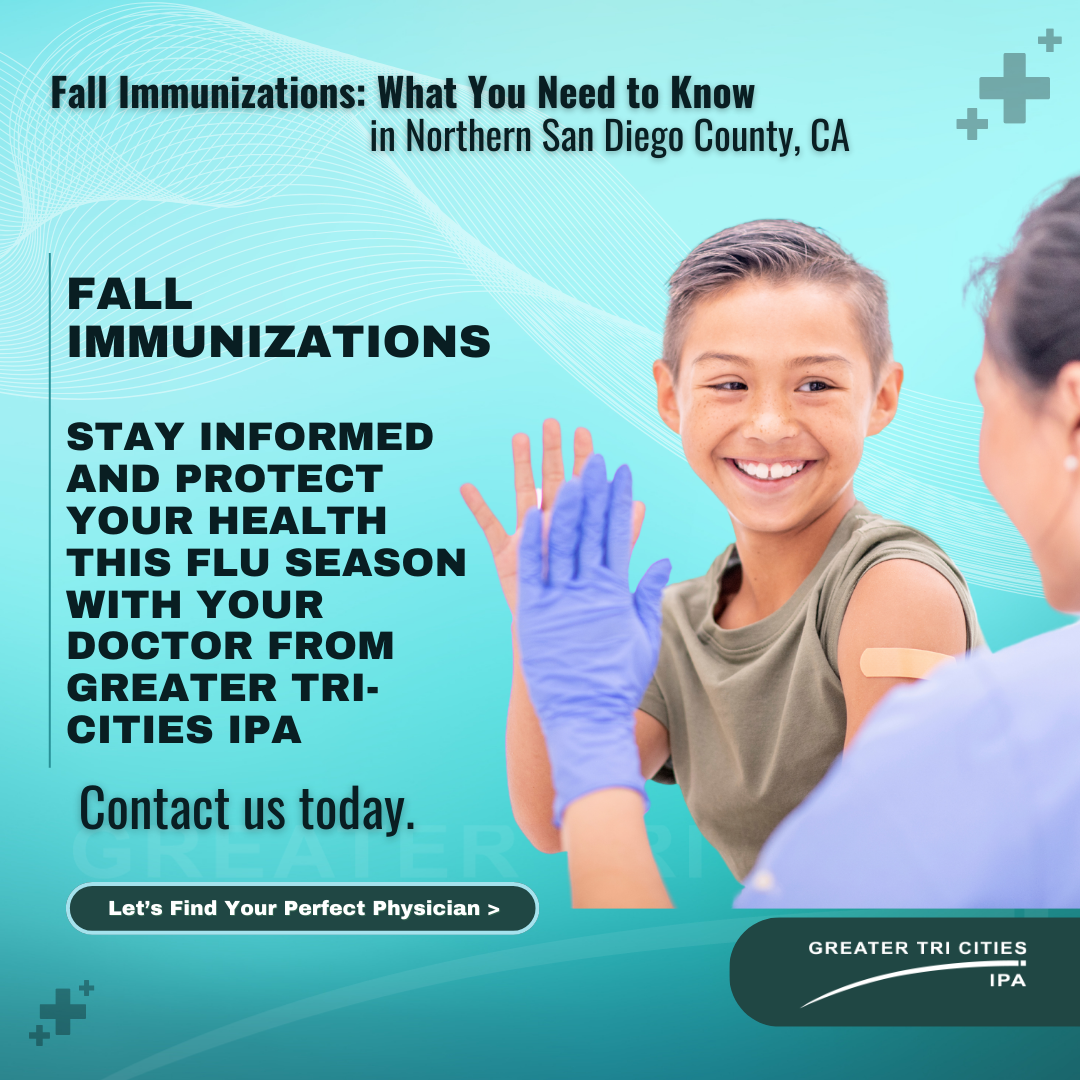
Fall Immunizations: What You Need to Know
As the leaves begin to turn and the air cools, many parts of the country celebrate the arrival of fall with cozy sweaters, pumpkin spice lattes, and colorful foliage. But here in Southern California, where the climate remains mild and the seasons are less defined, we mark the changing of the seasons a little differently. While we may not experience a dramatic shift in weather, we do experience something just as important: flu season.
With the arrival of flu season, the topic of immunizations naturally comes to the forefront of health discussions. Immunizations have long been regarded as life-saving heroes, protecting individuals and communities from serious and sometimes deadly diseases. However, in recent years, their efficacy and necessity have been the subject of debate. Despite this, the overwhelming consensus among medical professionals remains: immunizations are effective at reducing disease and infection. Understanding the importance of immunizations, particularly during flu season, can help you make informed decisions about your health and well-being.
The Importance of Immunizations
Vaccinations have been responsible for eradicating or significantly reducing the prevalence of diseases like smallpox, polio, and measles. These successes highlight the power of immunizations in controlling infectious diseases. However, the conversation around vaccines has evolved, with some people questioning their necessity, particularly in light of the COVID-19 pandemic and the rapid development of new vaccines.
Addressing Concerns and Questions
It’s natural to have questions and concerns about immunizations, especially with the abundance of information—and misinformation—available today. One common concern is whether vaccines are still effective, given that some vaccinated individuals still contract diseases like the flu. It’s important to understand that while no vaccine is 100% effective, immunizations significantly reduce the risk of infection and, more importantly, the severity of the illness. For example, even if you contract the flu after being vaccinated, you’re less likely to experience severe symptoms or require hospitalization.
Another factor to consider is the role of immunizations in protecting vulnerable populations. Herd immunity occurs when a high percentage of the population is vaccinated, making it difficult for diseases to spread. This not only protects those who are vaccinated but also those who cannot be vaccinated due to age, allergies, or underlying health conditions.
Health Guidelines and Eligibility
The decision to receive a vaccination should be made in consultation with your primary care physician. There are many health guidelines surrounding immunizations, and these guidelines often consider factors like age, diagnosis, and existing health conditions.
For example, the flu vaccine is recommended annually for everyone aged six months and older. However, certain groups are considered high priority due to their increased risk of complications from the flu. These groups include:
- Older Adults: Individuals aged 65 and older are more likely to experience severe flu symptoms and complications.
- Young Children: Children under the age of five, particularly those under two, are at higher risk for serious flu-related complications.
- Pregnant Women: The flu can cause serious complications during pregnancy, making vaccination especially important for expectant mothers.
- Individuals with Chronic Health Conditions: People with conditions such as asthma, diabetes, heart disease, or weakened immune systems should prioritize getting vaccinated.
There are also different types of flu vaccines available, including high-dose versions for older adults and nasal spray vaccines for those who prefer an alternative to the injection. Your physician can help you determine which vaccine is most appropriate for you based on your health history and current condition.
Building a Relationship with Your Physician
One of the most important steps you can take to protect your health during flu season—and beyond—is to establish a strong relationship with your primary care physician. Your physician is your partner in health, someone who understands your medical history, lifestyle, and specific health needs. By having regular check-ups and open conversations about your health concerns, you can make informed decisions together about immunizations and other preventive measures.
If you’re unsure about whether you should receive a particular vaccine, or if you have concerns about potential side effects, don’t hesitate to reach out to your physician. They can provide you with the latest information, address your concerns, and help you understand the benefits and risks associated with immunizations.
Stay Healthy This Flu Season
As flu season approaches, now is the perfect time to talk to your physician about what you can do to stay healthy. Whether it’s getting the flu vaccine, updating other immunizations, or simply learning more about how to protect yourself and your loved ones, your physician is here to help.
At Greater Tri-Cities IPA, we are committed to providing compassionate, personalized care to our patients. Our network of dedicated physicians is here to support you in making the best health decisions for your unique needs. Don’t wait—schedule an appointment with your primary care physician today to discuss your immunization options and ensure you’re prepared for the upcoming flu season. Your health is our priority, and we’re here to help you stay well all year round.


