
Understanding Glaucoma
Glaucoma is a progressive eye condition that can lead to vision impairment and blindness due to damage to the optic nerve. With approximately 3 million Americans diagnosed with glaucoma, taking preventive measures is key to safeguarding long-term eye health.
Although vision loss caused by glaucoma is irreversible, proactive lifestyle choices can help lower your risk and maintain clear eyesight. Follow these five evidence-based strategies recommended by GTC IPA to support your vision.
Get Routine Eye Exams
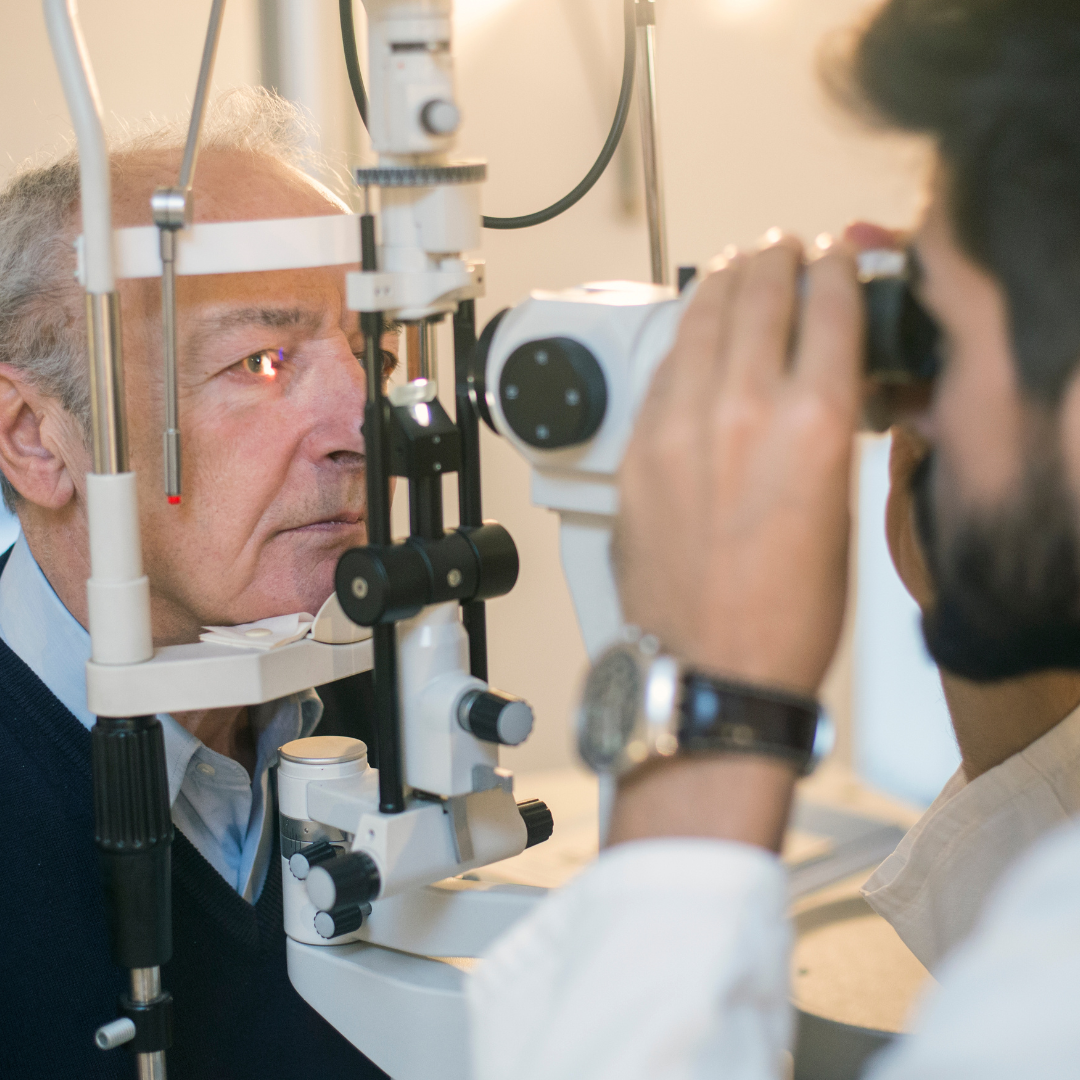
Early detection is the best defense against glaucoma. Scheduling regular comprehensive eye exams can help identify optic nerve damage before noticeable symptoms develop. If you have a family history of glaucoma or other risk factors, consult with your eye specialist about the ideal frequency of your screenings.
Maintain a Nutrient-Dense Diet
A well-balanced diet filled with essential vitamins, minerals, and antioxidants supports eye health and may contribute to lowering glaucoma risk. Incorporate foods that are rich in vitamins A, C, and E, as well as omega-3 fatty acids, to nourish your optic nerve.
- Dark leafy greens (kale, spinach)
- Colorful vegetables (carrots, bell peppers)
- Citrus fruits (oranges, lemons)
- Healthy fats (nuts, seeds, and fatty fish like salmon and tuna)
Shield Your Eyes from UV Exposure
Continuous exposure to ultraviolet (UV) radiation can harm eye tissues and increase the risk of various eye conditions. Protect your vision by wearing 100% UV-blocking sunglasses and wide-brimmed hats when outdoors to minimize excessive light exposure.
Prioritize Oral Health
Did you know that oral hygiene can influence eye health? Studies suggest a correlation between gum disease and optic nerve damage in glaucoma patients. Establishing good dental habits, including regular brushing, flossing, and dentist visits, can help reduce inflammation and support overall well-being.
Adopt an Eye-Friendly Sleep Position
How you sleep can impact eye pressure. Avoid sleeping with your eye pressed against your pillow or arm, as this can elevate intraocular pressure and contribute to optic nerve stress. Instead, opt for sleeping on your back or side to keep your eyes protected.
Take Charge of Your Vision Health
By staying proactive with regular eye exams, maintaining a healthy diet, protecting your eyes from harmful UV rays, practicing good oral hygiene, and adopting proper sleep habits, you can take important steps to minimize your risk of glaucoma. GTC IPA is committed to guiding you on your path to lifelong eye health.
Sources:
- Centers for Disease Control and Prevention – About Glaucoma
- American Academy of Ophthalmology – 10 Ways to Prevent Vision Loss from Glaucoma
Brought to you by GTC IPA, your trusted resource for eye health and preventive care.


